


Biodiversity along the Armenian National Trail
A brief biodiversity overview
Biodiversity—or ‘biological diversity’—describes the variety of plants, animals, and life on Earth. One measure of biodiversity is the number of different species existing within an environment.
Biodiversity hotspots are regions that have an especially high concentration of endemic species that are also at a particularly high risk of loss. Specifically, Conservation International classifies biodiversity hotspots as meeting 2 criteria:
- At least 1,500 endemic plant species. This is because plants are a vital part of the ecosystem life cycle and are an important indicator of an ecosystem’s broader environmental health and sustainability.
- A loss of over 70% of the original vegetation, meaning less than 30% remains.
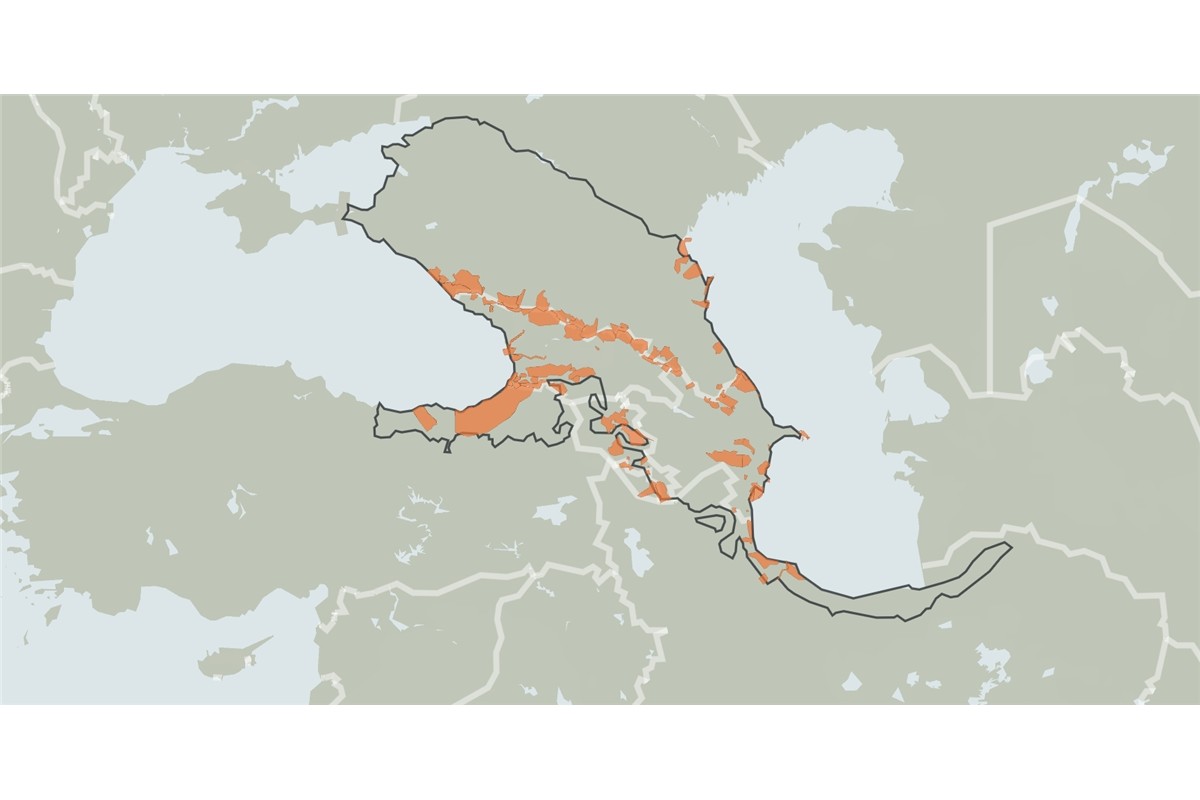
Critical Ecosystem Partnership Fund (CEPF) designation of Caucasus biodiversity hotspot as of 2000
The designation of biodiversity hotspot is useful in prioritizing protection of these areas and conveying urgency. Armenia is located within the broader Caucasus region and is one of 36 officially recognized biodiversity hotspots, as per the Critical Ecosystem Partnership Fund. Much of this biodiversity, and the threats to it, are represented across Armenia. Today, there are many ongoing initiatives working to address biodiversity loss and protect these areas alongside the local communities who live there.
HIKEArmenia and the Armenian National Trail (ANT)
Regions of the Armenian National Trail
The Armenian National Trail (ANT) starts in the northern region of Lori, goes east into Tavush, and down through Gegharkunik, Vayots Dzor, finally ending at the southern tip of Syunik. Below are a few biodiversity tips, highlights, and guides throughout each of those regions.
Lori
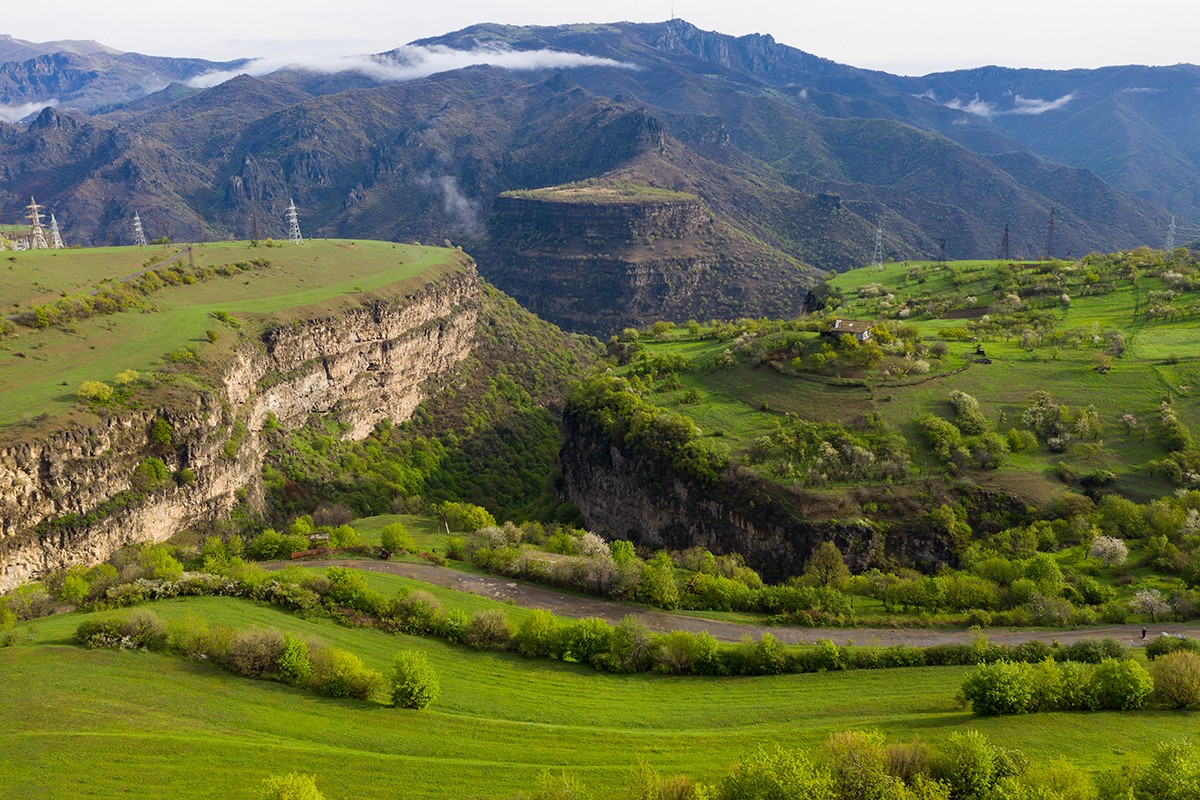
Debed River
Lori is home to the beautiful Debed Canyon. Because this region is prominent both environmentally and culturally, there are numerous local resources to check out, as well as activities to do in the area. The Visitor Center by COAF (Children of Armenia Fund) is a great stop for learning about the nature and community in Lori, picking up maps and other resources, and checking out the variety of activities in the area.
In the village of Dsegh, you can also visit the Dsegh Nature Visitor Center and learn about the incredible local birdwatching opportunities.
One of the most endangered and well-known species in Armenia is the Caucasian Red Deer, otherwise known as the Caspian Deer. Once present throughout much of Armenia, its populations have been greatly depleted over the decades due to a combination of poaching and habitat loss. But in 2013, Armenia, with the support of World Wildlife Fund (WWF) Armenia, initiated a reintroduction program of these deer in Lori and Tavush. The project has seen positive results and is ongoing.
Tavush
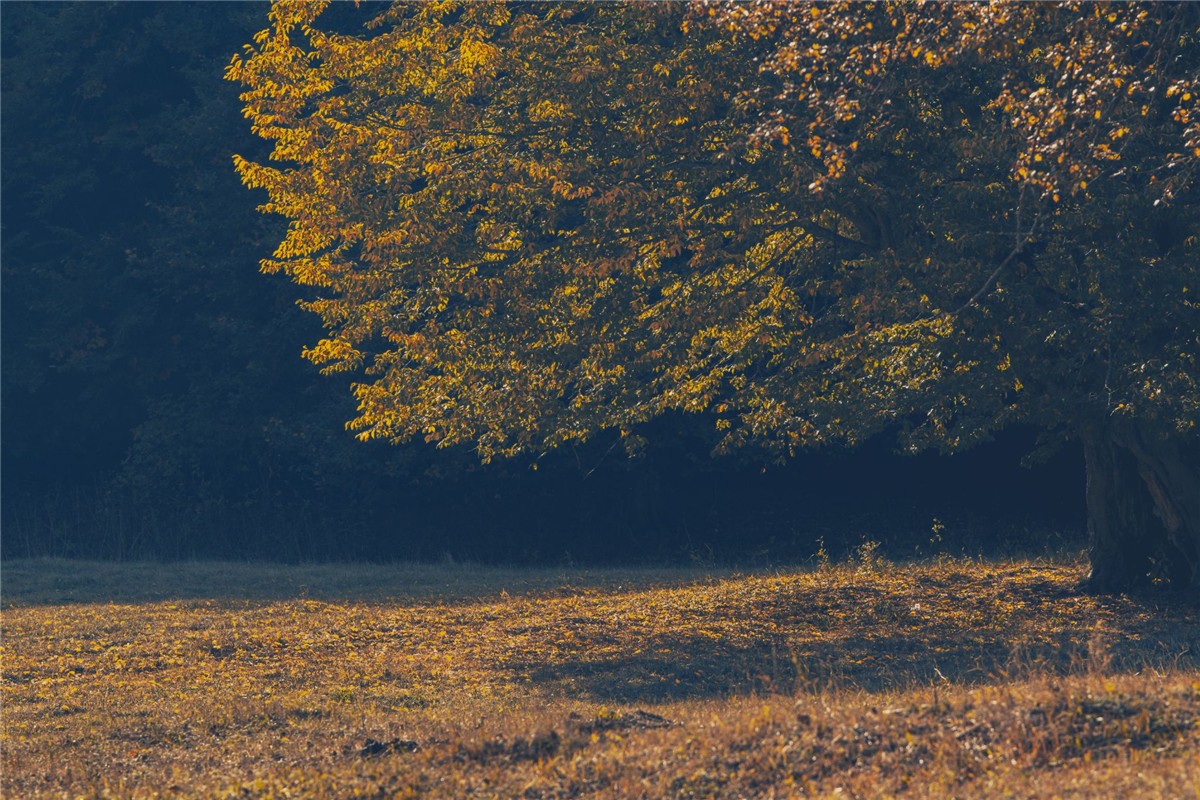
Khachardzan, Armenian National Trail
Tavush province is one of Armenia's most famous areas for hiking, as it is a mountainous and forested region home to Dilijan National Park. There are many stunning hikes that combine vast nature and cultural attractions like Haghartsin monastery.
While all of Armenia is home to biodiverse flora and fauna, Dilijan is particularly known for its abundance of fungi. Hikers that are exploring Dilijan should be on the lookout for mushrooms on the trail. Snker.am and iNaturalist are both great resources for identifying mushrooms in Dilijan and throughout Armenia.
Go to Dili is an abundant online resource for learning about biodiversity, environmental projects, culture and history, and things to do in the area.
In Dilijan there is also the Dilijan Tourist Information Center where travelers can go to learn about outdoor activities, rent equipment, and become inspired by stories of local community members and leaders.
Gegharkunik
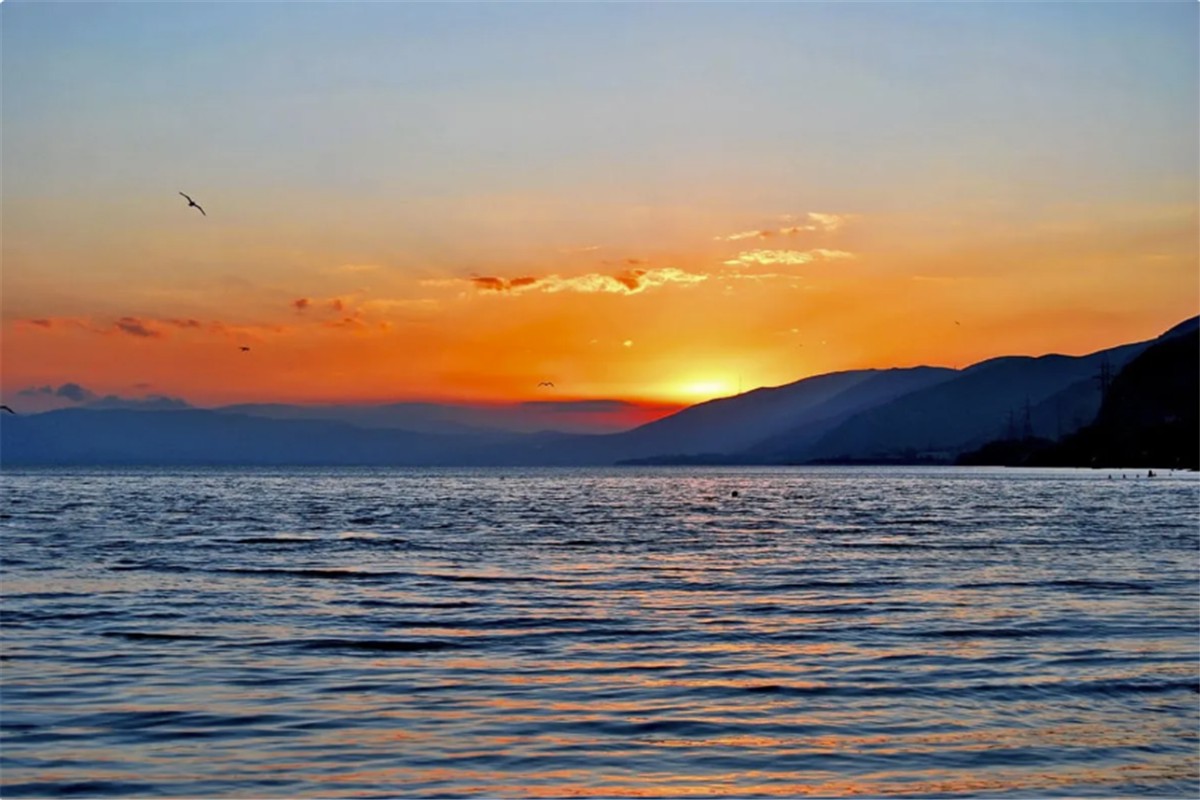
Lake Sevan
Gegharkunik is home to Lake Sevan, the largest lake in the South Caucasus. The lake and the surrounding wetlands are of course home to a wide variety of endemic flora and fauna, from the Sevan Trout to the Armenian Gull and a golden perennial flower (a plant that lives and reflowers for more than 2 years) called Isatis sevangensis. However, these and many other species are now critically endangered due to environmental issues in the area, especially the sharply declining water levels of Sevan. Local and international research regarding this issue has been ongoing, but the specific causes are still largely unknown, beyond human-influenced climate change. Sevan National Park was established in 1978 to help protect the lake and the surrounding areas, but there is still much work to be done.
Vayots Dzor
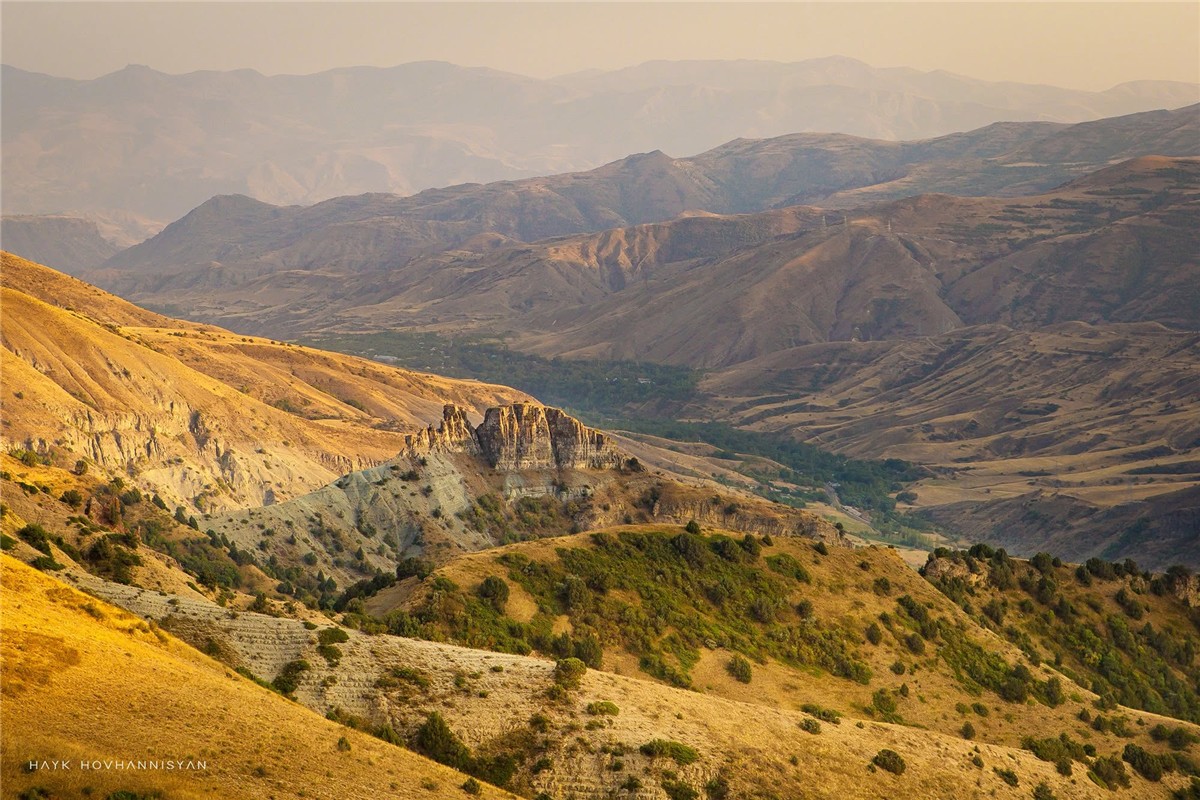
Vardenyats Pass
Vayots Dzor hosts a distinctly dry and rocky landscape, and is famous for the Norovank monastery, as well as the Armenian wineries of Areni. It is also home to the endangered Bezoar ibex, a goat that is indigenous to Armenia. To protect these and other endemic and threatened species and their habitat, Arpa protected landscape was established in 2013.
Syunik
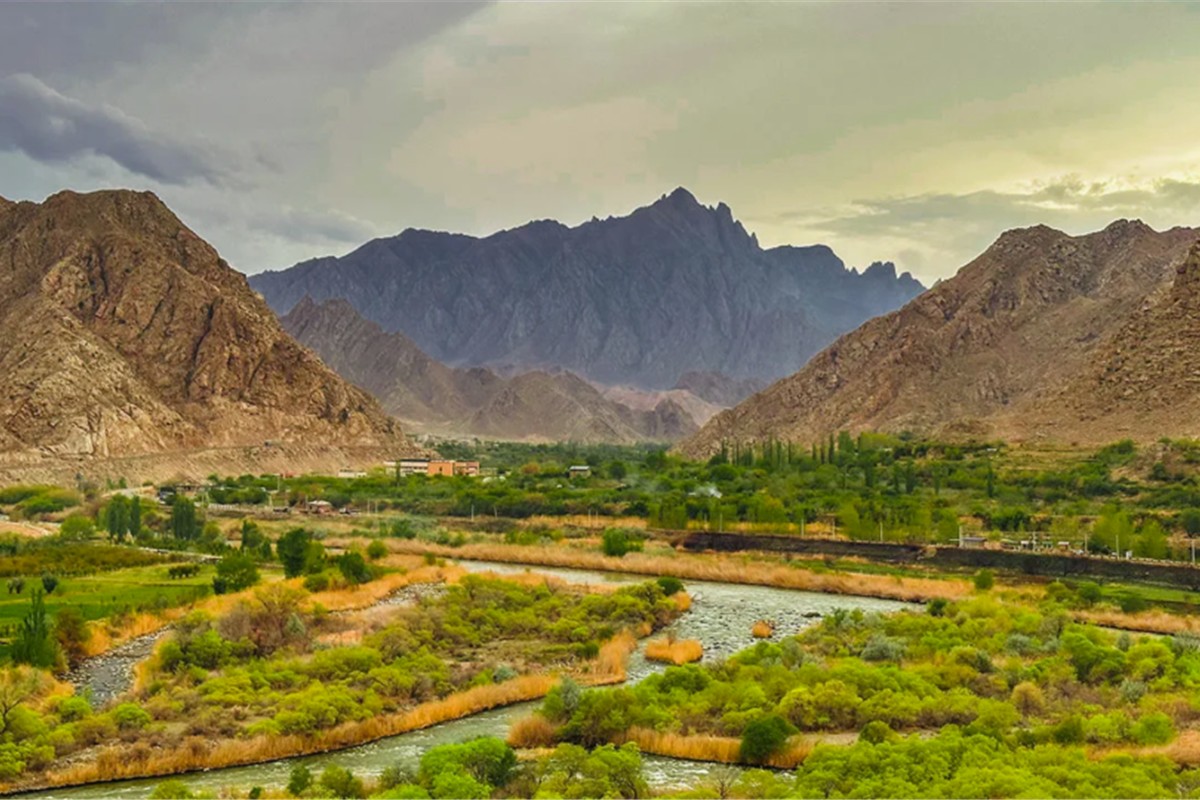
Meghri
Syunik is the southernmost region of Armenia. Located at the farthest end of Armenia and bordering Iran is Arevik National Park. This protected area was established to conserve a habitat critical to many species including the highly endangered and endemic Caucasus leopard. A variety of projects have been enacted to help the leopard population, including with WWF starting in 2002.
Sustainable Tourism and Mindful Outdoor Recreation
To further empower hikers as stewards of biodiversity and the outdoors, here are some additional ways you can take active steps towards conservation while on trail.
- Stay on the designated trail so as not to interfere with the surrounding environment.
- Enjoy and respect the plants and life found along the trail without plucking or disturbing them.
-
Practice “leave no trace” by carrying out all trash and anything you bring with you on the trail.
- This includes following backcountry bathroom guidelines.
-
Be a citizen scientist! Hikers can contribute a lot to science while you move through the environment. Providing information from trail conditions to plant or animal identification or observation is all valuable.
- Provide feedback to HIKEArmenia about how you found the trail, and any issues or changes you noticed along the way.
- iNaturalist is a well-known species identification database that relies on citizen passion and contributions. It is also a great resource for learning.