
Forget what you think you know about the Armenian highlands; a 300-km trail transformation is turning the misty forests of the north into the world’s next great hiking frontier.
There’s a certain magic in watching a thin line on a map turn into the ground beneath your feet and the stories you carry home. In the northern highlands of Armenia, this transformation is currently unfolding at an astonishing pace as the dream of a continuous north-to-south thru-hike moves closer to reality. While the red rocks and high-altitude vineyards of the south have long held the spotlight, the provinces of Lori and Tavush are finally stepping forward as world-class village-to-village hiking destinations.
The progress made by trail crews is staggering, with 153 km of the Armenian National Trail fully built across 22 stages in Lori as of 2024. Not far behind, the expansion into Tavush has reached 169 km across 12 stages as of early 2026. This momentum shows no signs of slowing down, as the construction teams are already shifting their focus south to the rugged basalt canyons of Vayots Dzor for the 2026 to 2027 season.
For the modern explorer, these numbers are an invitation to see a side of the Caucasus that has remained hidden behind mist and history for decades.
From Copper Mines to Medieval Cliffs
Your journey into this northern wilderness begins at the fortress of Akhtala, which serves as the official northern gateway. On the ANT 1: Akhtala to Neghots trail, industrial history and medieval spirituality collide in a way that feels almost cinematic. Hikers find themselves walking along an abandoned railroad once used for transporting copper and crossing a metallic suspension bridge that spans the rushing Debed River.
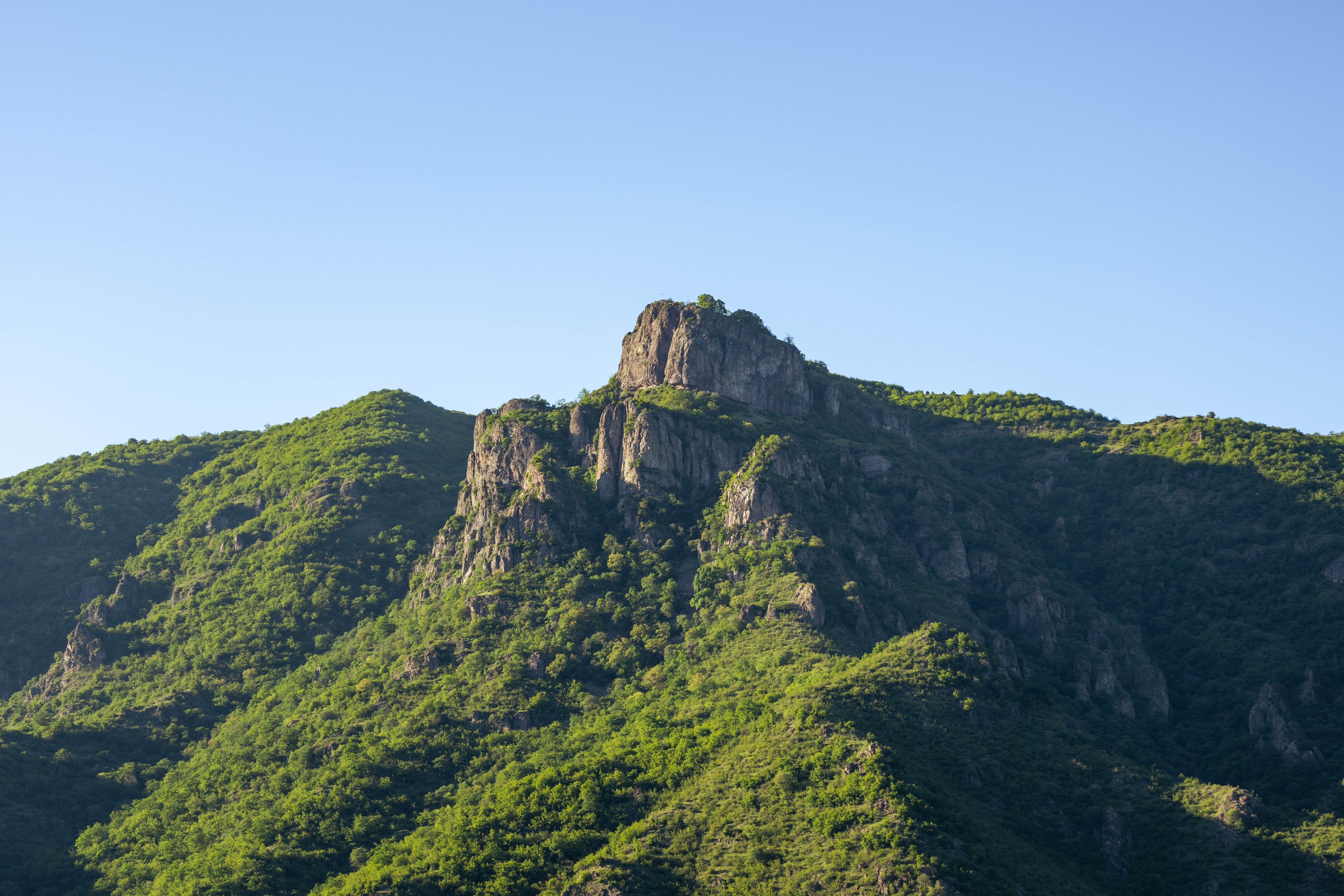
From there, the path continues on the ANT 2: Neghots to Haghpat section, which takes you through hillsides and pastures toward the world-famous monastic complexes that have stood as silent sentinels for a thousand years.
Where the Emerald Canopy Meets the Ridge
Along the way, you might find yourself on the ANT 17: Chkalov to Dsegh stage, where a bright orange metallic carousel sits unexpectedly atop a mountain peak, offering a surreal place to rest and take in the view. Whether you are navigating the World Heritage Trail between Sanahin and Haghpat or exploring the urban industrial history of the ANT 6: Alaverdi to Sanahin Kayaran walk, these paths offer a deep connection to the land and the people who have called these mountains home for centuries.
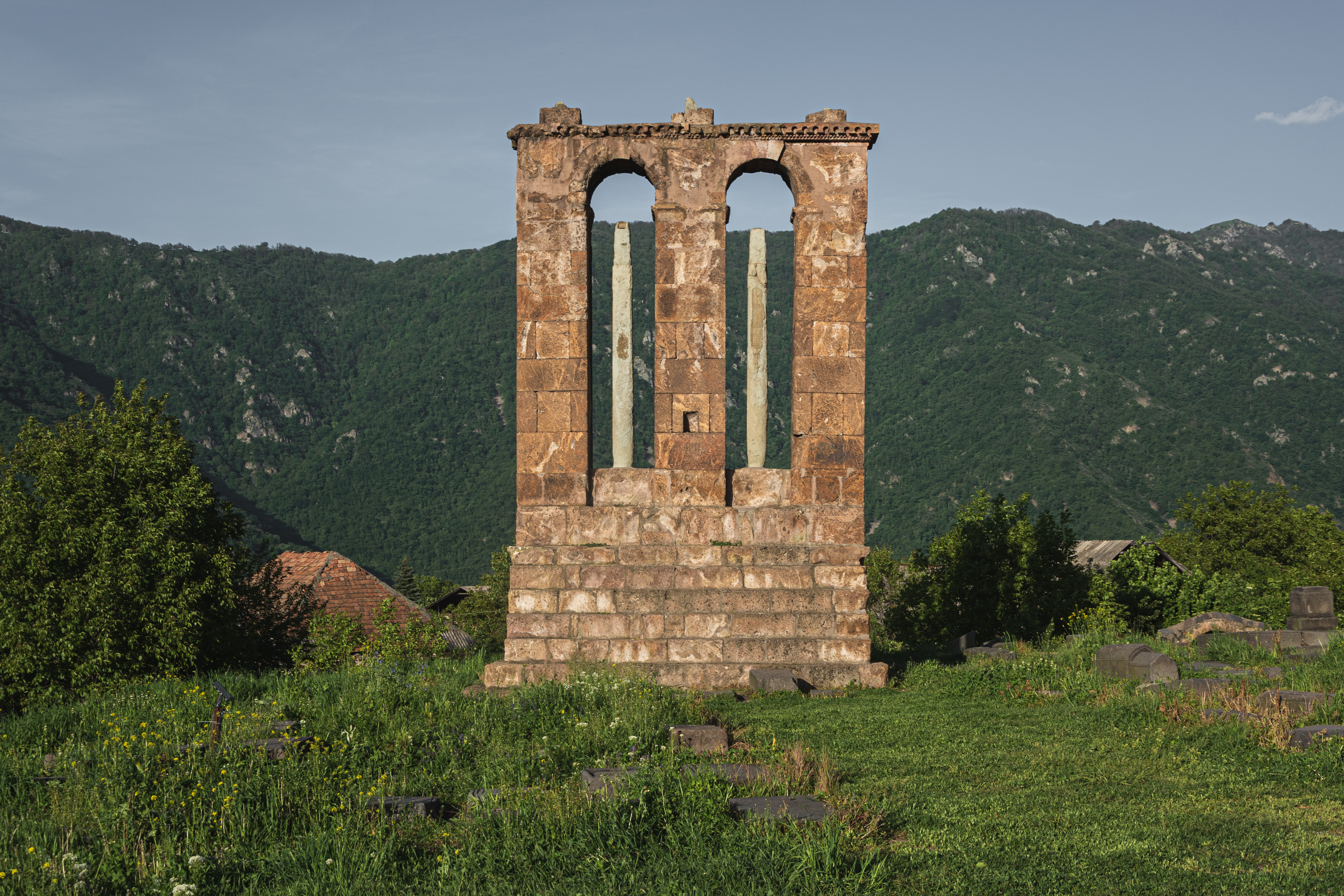
The grit of Alaverdi’s copper heritage meets the fairytale silence of the Akner pastures, creating a mosaic of experiences that no single photograph can capture. You might find yourself sharing a drink of cold mountain water with a local mason or resting in the shade of a Soviet-era tufa block apartment before climbing back into the wild. The Armenian National Trail is a living organism, growing every day to connect you to the soul of this country, and the northern sections are finally ready for those willing to walk them.
Seeking Silence in the Dark Forest
While the famous UNESCO World Heritage sites Haghpat and Sanahin remain essential stops, the trail's real soul exposes itself when you push beyond the typical tourist circuit and enter the Motkor region. This area comprises the ANT 19: Karinj to Marts and ANT 21: Lorut to Shamut stages, collectively known as the ‘Dark Forest.’ The canopy here was historically so dense that local legend claims travelers would lose their way in the thick mountain fog.
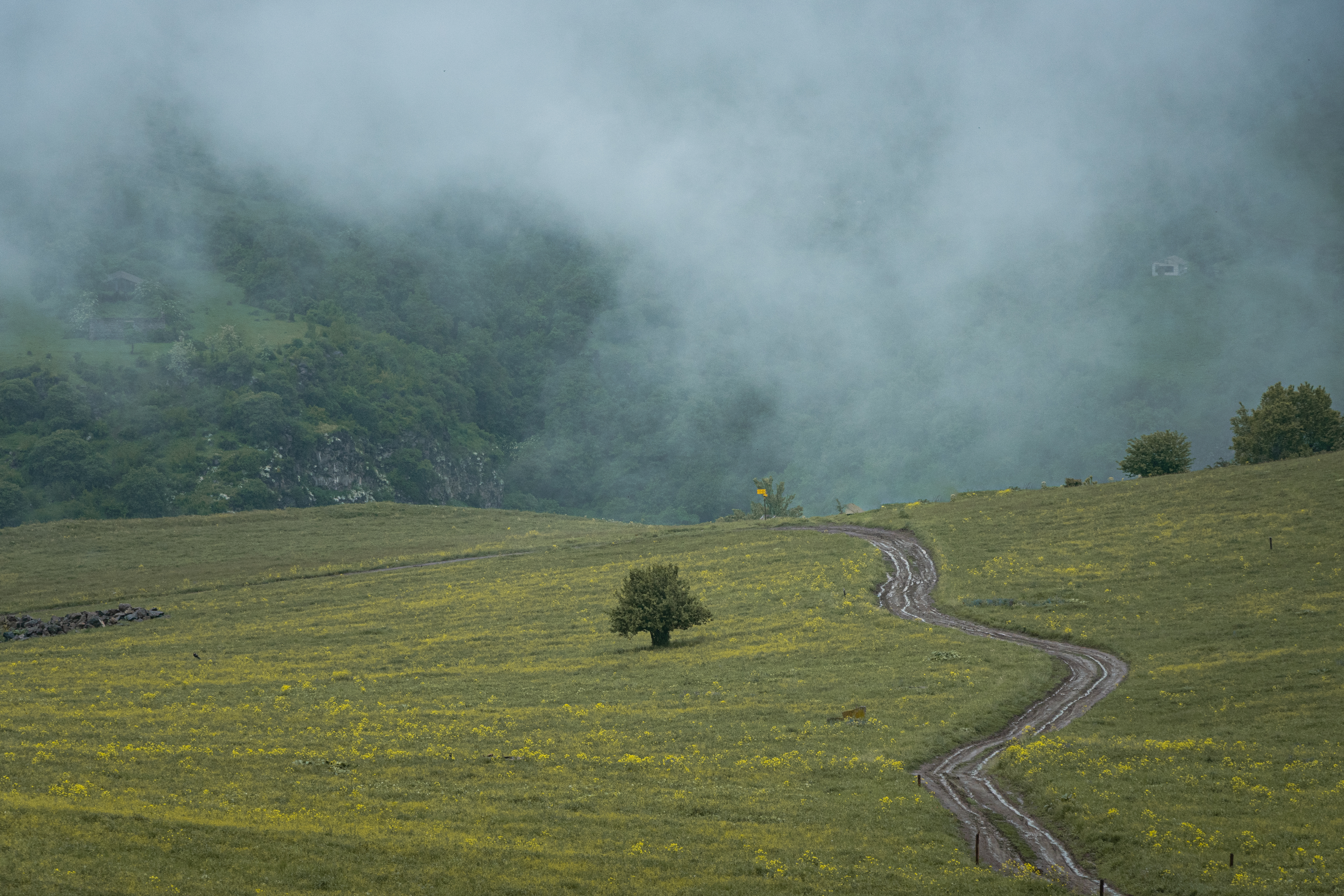
Walking through Shamut today feels like stepping back through millennia as you encounter remnants of fortresses dating to the 4th millennium BC and 19th-century basilicas that stand as guardians of a much simpler way of life.
The Path Forward
The transition from the deep canyons of Lori into the emerald heights of Tavush brings a noticeable shift in the terrain and the trekking experience. Ultimately, hiking the Armenian National Trail feels like moving through time. By connecting these remote villages in Lori and Tavush, the trail creates a living bridge between Armenia's ancient monastic roots and its industrial past, all while supporting the rural communities that carry the traditions of hospitality forward. As the trail expands toward Vayots Dzor and beyond, every footprint left by a hiker helps sustain a local guesthouse, preserve a mountain spring, or keep a village shop thriving.
So, whether you are seeking the contemplative quiet of the Motkor woods or the physical challenge of Debet Canyon ridges, these new sections offer a perspective on Armenia that remains untouched by the rush of modern life: The paths are marked (you just need to follow the ANT Lori trails listed consequtively on HIKEArmenia.org), the springs are flowing, and the villagers are ready to welcome you with a cup of tea and a story. Now is the time to lace up your boots and become part of this unfolding journey in Lori before we bring you the next sneak peek into ANT Tavush trails in April
The northern highlands are calling, and for those who answer, the rewards are as vast as the Debed Canyon itself!