
In our last dispatch, we traced the basalt bones of Lori, where industrial heritage meets the mist of the ‘Dark Forest.’ As the Armenian National Trail (ANT) moves eastward, the rugged, vertical geometry of the Debed Canyon begins to soften into something more liquid and verdant.
Welcome to Tavush, Armenia’s emerald lungs.
While Lori is a province of grit and monastic grandeur, Tavush is a sanctuary of light and hidden groves. As of early 2026, the trail's progress is staggering, with 169 km across 12 distinct stages now fully operational. This is the new frontier where the charm of Dilijan meets the rugged Ijevan ridges and the silent, sacred groves of the Getik Valley.
The Great Descent: From Zip-lines to Secret Gorges
The transition into the heart of Tavush often begins in Yenokavan, a village that has become a beacon for adventure seekers. Most visitors go there to fly across the Khachaghbyur Gorge on the region’s longest zip-line at Yell Extreme Park. The ANT offers a different kind of adrenaline through a quiet, immersive experience.
The Yenokavan to Ijevan stage (13.7 km) is a masterclass in ecological transition. You start at an elevation of 1,200 meters, where the air is thin, and the views are wide, before beginning a long, rhythmic descent toward the 700-meter mark in Ijevan. This hike passes through wooded hills and meadows. Along the way, you will find yourself in the Mtnadzor Gorge. Its name translates to ‘Dark Canyon’ because some sections are so deep and narrow that the sun only touches the floor for a few moments a day! The result is a micro-climate of intense humidity and vibrant moss where the Constantinople hazelnut and European spindle trees thrive.
As you emerge from the gorge near the village of Lusadzor, the forest pulls back to reveal the sprawling Aghstev River Valley. You will walk through Getahovit, passing by the ruins of Soviet-era sanatoriums, before the trail deposits you directly into the bustling center of Ijevan. If you want to skip the urban walk, you can take a taxi to the edge of Getahovit, where the markings lead back into the wild.
Ijevan is a City Reclaiming Its Soul
Ijevan is the administrative center of the region and serves as more than a place to resupply. It is a city in the middle of a cultural renaissance. Historically famous for its carpets, the city’s aesthetic is being revived at the Telik Crafts Center. You can sit at a loom and contribute to a tradition that was nearly lost to the industrial age.
.jpg?sfvrsn=2bfbf04a_0 "DSC_6696 Ijevan wine factory (6)")
Before you leave the city, take a moment to walk through the Sculpture Park or get lost in the Ijevan Dendropark. It houses over 600 species of native and international plants. Across the river, the Ethnographic Museum displays items dating back to the 3rd millennium BCE. If your boots feel heavy, the Ijevan Wine Factory offers a sensory history of the region. They still use Soviet-era oak barrels to mature their wine and brandy.
The Legend of Mount Budur
Leaving the city, the Ijevan to Gandzakar trail (7.7 km) offers a quick but steep climb that rewards you with a panoramic view of the city skyline. This stretch serves as a prelude to the culturally rich sections of the ANT. As you approach the village of Gandzakar, all eyes turn toward Mount Tesilk. Locals know it as Mount Budur, a conical peak that stands at 1,372 meters.
It is a place of deep memory. The summit holds the cyclopean ruins of a fortress from the 6th to 4th century BCE. Fragments of the old rooms are still visible. Its northern slopes hide the Tesilk Cave, which once served as a sanctuary and medical post for medieval defenders. Gandzakar itself has 250 years of history. Its first inhabitants came from historical Artsakh. Here, the traditions are tied to the land. You might encounter the St. Kiraki chapel, a 13th-century domed structure perched on a cliff. If you arrive during a local feast, you may taste sali, a Tavush-style sweet bread baked in a stone oven.
The Crossroad of the Clouds
Hovk is the literal bridge between the two faces of Tavush. This village is an essential junction on the Armenian National Trail. The Gandzakar to Hovk stage is a demanding 20.3 km trek that takes you through tree-lined tunnels of young saplings. This section feels like a secret. It is a place where you might spot a brown bear, a roe deer, or a Caucasian black grouse in the brush.
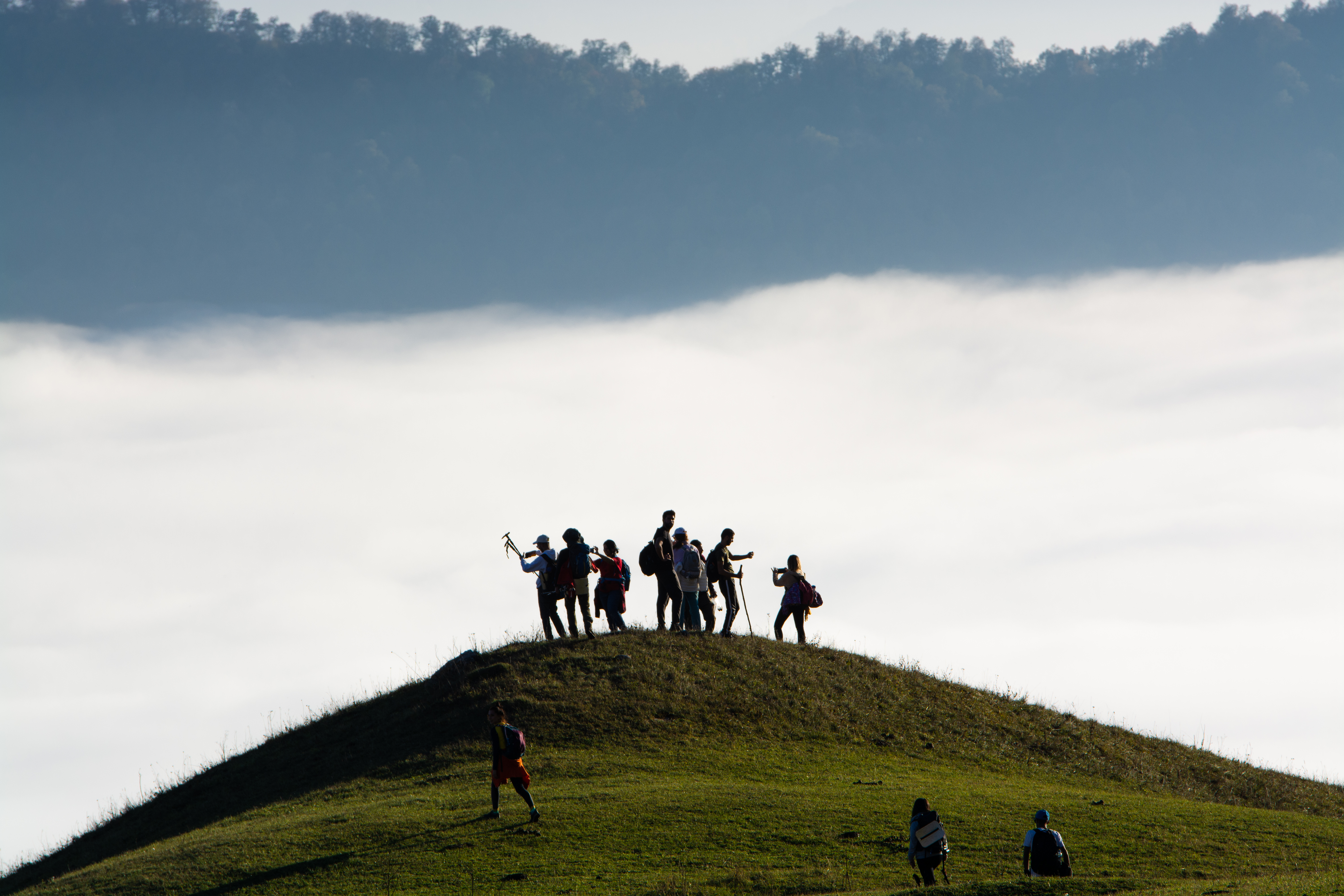
Along the ridge, you will pass the Mantashaberd Fortress, also known as the fortress of King Ashot the Iron. Local legend tells of a princess who built a fortress called Anapat—or Hermitage—to reject her many suitors. A persistent knight named Mantash built his own castle on the opposite hill just to stay in her sight. They eventually reached a truce and built a bathhouse together by the Aghstev River as a symbol of reconciliation.
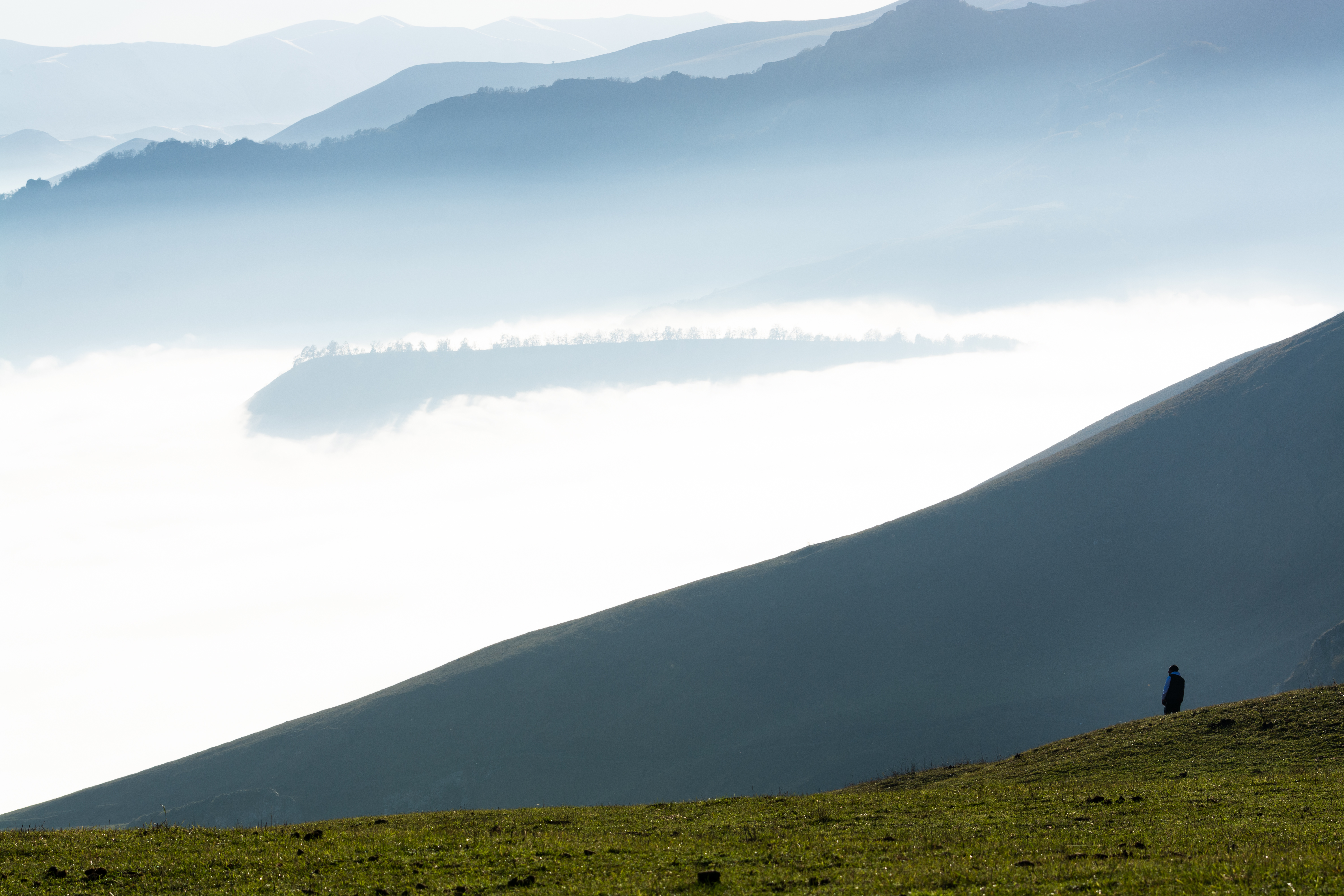
Hovk is perched high in the mountains and serves as the gateway to the Apakekar and Dimats peaks. It is a place of active agricultural life centered around the Green Training Center. They host an annual Pumpkin Festival that turns the quiet village into a vibrant hub of mountain hospitality.
Aghavnavank: The Sanctuary of the Red Tree
As the trail winds south toward the border of Gegharkunik, the pace changes. The Khachardzan to Aghavnavank trail is a gentle 3.9 km. This is a rare flat stretch that acts as a recovery walk after the ridges of Ijevan. This area is a hidden gem of the North.
Aghavnavank is famous for the Aghnabat Grove. It is one of the few places in Armenia where the Common Yew grows. These ’Red Trees’ can live for 3,000 years. Their reddish wood was once used for shipbuilding and furniture. Today, they are a protected treasure of Dilijan National Park. Deep within this ancient forest sits the Aghavnavank Church. Built in the 12th century, it was once part of a large monastic complex. Today, it is a stone sentinel surrounded by trees that turn into a kaleidoscope of gold and amber in the autumn.
Before you leave this valley, stop at Dilvados. This local distillery is a staple of village life. They produce organic fruit spirits in eight flavors made from local ingredients. Tasting their wild berry vodka while looking out over the Getik Valley is a quintessential Tavush experience.
Transitioning to the Blue Horizon
The journey through Tavush concludes with the Aghavnavank to Dzoravank trail (3.8 km). This is a transition. As you walk alongside the Getik River, the dense emerald canopy begins to thin. Dzoravank means "Monastery in the Valley." It marks the boundary between two worlds. Behind you lie the misty forests of the north. Ahead of you, the trail begins its ascent into the Gegharkunik region. The horizons open up, and the blue expanse of Lake Sevan begins to dominate the landscape.
Hiking the ANT through Tavush supports local life. Every hiker who stays in a guesthouse in Hovk or buys honey in Khachardzan helps sustain a rural economy. These ancient villages stay alive through your footprints. Between the freshly painted markers and a warm welcome in every corner, the highlands are open. Your journey begins where the forest thickens.